
Utrecht · approx. 10 km from Utrecht
Sealant work in Maarssen
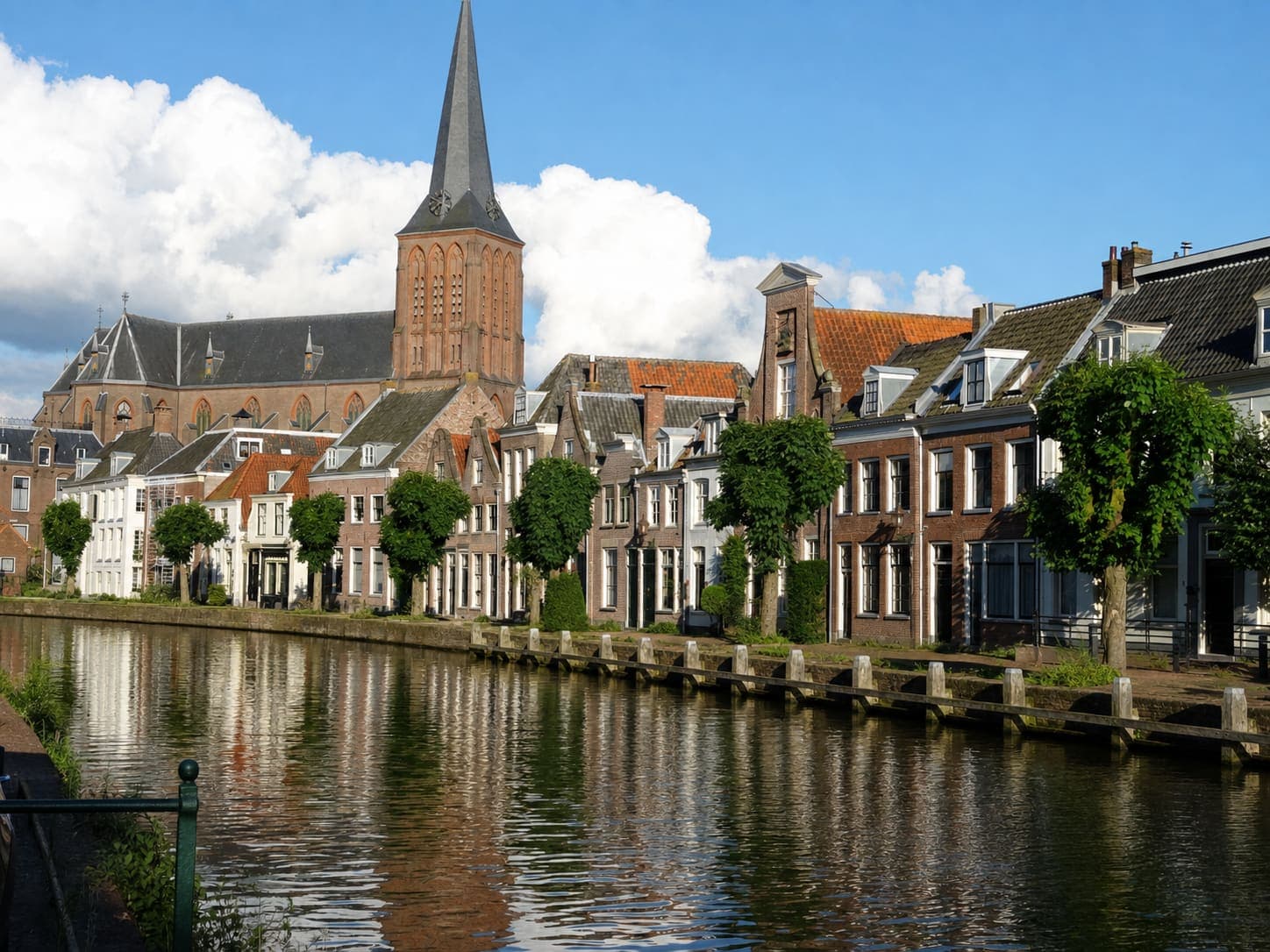
Maarssen consists of two parts that technically have little to do with each other. On the Vecht stand buildings centuries old, with timber window frames and the glazing that goes with them. On the other side of the Amsterdam-Rijnkanaal lies Maarssenbroek, put up in the polder from the seventies onwards. Different construction, different ground, different sealant work.
Since 1959
Experience and craftsmanship from Utrecht
Clear communication
Short lines, clear agreements
100% satisfaction
We only leave once you are satisfied
Lasting quality
Top-quality materials for a long-lasting result
What matters in Maarssen
The Vecht and the polder, two challenges
Historic buildings and country estates along the Vecht, and across the canal a polder district built in series in the seventies and eighties.
Along the Vecht and in the old village centre stand buildings with timber window frames, putty and glazing sealant around single glazing. On a listed building or in a conservation area, not just any product may go in, so there the work starts with finding out what is allowed. Maarssenbroek is a different story: those districts were put up in series from around 1970, with many identical terraced houses and walk-up flats. They have now stood for a good fifty years and often still carry their original facade sealant. That sealant is hard, shrunk and loose at the edges, and it also dates from before 1994, so it is suspected of containing asbestos until the opposite is established.
What makes Maarssen different from a village that is all of a piece is that here, within five minutes' drive, you go from a listed building to series-built housing. On the Vecht every window frame is different and you measure everything up separately; in Maarssenbroek hundreds of homes are identical and you can run the same approach per row. That difference is in the price too: bespoke work on the Vecht, work by the metre in the polder.
In the old centre along the Vecht the street is narrow and parking is limited, and on some stretches a permit or a time window applies. There we put the van as close as possible and carry the gear some distance. In Maarssenbroek it is the other way round: wide streets, spacious parking courts and usually right outside the door. When you make your request, tell us which side of the canal you live on, then we know in advance what we need to bring.
Ten kilometres from our base, a quarter of an hour's drive. That is close enough to come for one single joint too, and the call-out fee is among the lowest we charge. For business work in Maarssenbroek it means we can run the job here without travel time, and that we do not get squeezed if the work runs over.
What we do in Maarssen
- Bathroom, sanitary & kitchenSealing of sanitary ware, showers, baths, washbasins and kitchens.
- Window frames & glazingNeat, durable sealant work around window frames and glass.
- Facades & structural jointsFacade joints, connection joints and expansion joints in floors and walls.
- Swimming pool & wellnessSealant work in swimming pools, saunas, steam rooms and spas.
- Renovation & maintenanceSealant work during renovation, repairs and periodic maintenance.
- Specialist sealant workFor specific requirements and specialist applications.
You will hear from us within 15 minutes on working days, and the work comes with a 2-year guarantee.
The work here
What we do most often in Maarssen
Facade sealant from the seventies
The series-built housing in Maarssenbroek often still carries the sealant from handover. After fifty years it is hard, shrunk and has come away from one flank, and then water runs down behind the window frame. Because it dates from before 1994, it is tested first before anyone goes along the facade with a knife.
More about this serviceGlazing on the Vecht
In the old buildings the glass sits in putty or in a glazing sealant that has been in for decades. It shrinks and comes away at the edges, and then water is drawn along the glass into the timber. We take the old sealing out without damaging the glass and put back something that suits what the building is and what is allowed.
More about this serviceBathrooms in the polder districts
The homes in Maarssenbroek are usually on their second or third bathroom, and there the sealant is almost always the oldest part. Black edges in the shower corner come from mould in the sealant, not on it; cleaning removes the top and the rest stays. The joint has to come out and a sanitary sealant belongs in its place.
More about this serviceHow we approach it here
Which sealant on what, and what it costs
The substrate decides the sealant
The flank the sealant adheres to differs here by side of the canal. On the Vecht it is old, painted timber and sometimes soft brickwork with lime mortar; there the brick sucks the adhesion out of a sealant that goes on without primer, and nothing adheres permanently to loose paint. We then remove that paint back to sound timber, even though that takes time. In Maarssenbroek it is mostly concrete, painted timber or plastic. Concrete is alkaline and dusty at the cut face, so that has to be clean and sometimes pre-treated. Plastic is smooth and expands considerably in the sun; an ordinary facade sealant does not adhere to it, and there we use a product that does grip it. We decide which of the four it will be at the site survey and not on the phone.
Costs and lead time
The price follows from the number of metres, whether the old sealant has to come out and how easy it is to reach. The cost is in removing the old sealant, not in applying the new. On the Vecht bespoke work counts: every window frame is different, so there we measure up per window. In Maarssenbroek it goes per metre and per row, and that is more predictable and cheaper per home. If sealant from before 1994 turns out to be suspected of containing asbestos, you first hear what the testing costs and only then what the work costs. A bathroom is usually done within half a day. You get the amount before we start, call-out fee included, and curing is waiting time, not working time.
Two routes
Business or homeowner in Maarssen
For property managers and painting contractors, Maarssenbroek is attractive work: hundreds of comparable homes close together, so little moving about and a predictable price per metre for each complex. We work alongside a planned repainting cycle or do only the sealant work while you do the rest. With stock from before 1994 we include the asbestos question in the planning instead of running into it halfway through. Handover with videos per address.
For businesses
Contractors, painters, homeowners' associations, property managers and interior fit-out.
See what we do for businessesQuestions from Maarssen
What people in Maarssen ask most often
My home in Maarssenbroek dates from 1975. What does that mean?
That the sealant still in it is suspected of containing asbestos until the opposite is established. Until 1994 asbestos was used in certain types of sealant, and with series-built housing from the seventies that is not a theory. So we cut nothing out until it is clear what is in it: having a sample tested costs little and does not take long. Only then do you hear what the work costs. That is the mandatory order, not a hedge.
I live in a listed building on the Vecht. Is anything allowed?
Not just like that. On a listed building or in a conservation area there are requirements for what you change on the outside, and a glazing sealant that looks different from what was there falls under them. We find that out beforehand instead of discovering it once it is in. Ask when you make your request, then you hear what is allowed before anyone goes along your windows with tools.
Why is sealant work in the polder cheaper per home?
Because the homes are the same. In Maarssenbroek there are rows of identical houses with the same window frames and the same detailing, so we measure up once and then run the same work. On the Vecht every building is different and you measure every window frame separately. The set-up is also only needed once if we do several addresses in the same street on one day, and that pushes the price per home down further.
Can new sealant go over the old?
No. Sealant does not adhere to sealant. Whatever is smeared over it comes loose within a year, and then you have two layers to remove instead of one. That is the most common DIY repair we come across and it always costs you money: the removal becomes double work. The old joint has to come out completely, the flanks have to be clean down to the substrate, and only then does the new one go in.
How long do I have to wait before I can shower again?
Sealant cures at roughly two to three millimetres per day and a sanitary joint is about six millimetres deep, so allow two days. That is not caution but chemistry: the sealant cures from the outside in and the core needs that time. If you run water over it sooner, you pull the joint loose at the moment it can least take it. We say so in advance so that you can plan for it.

